
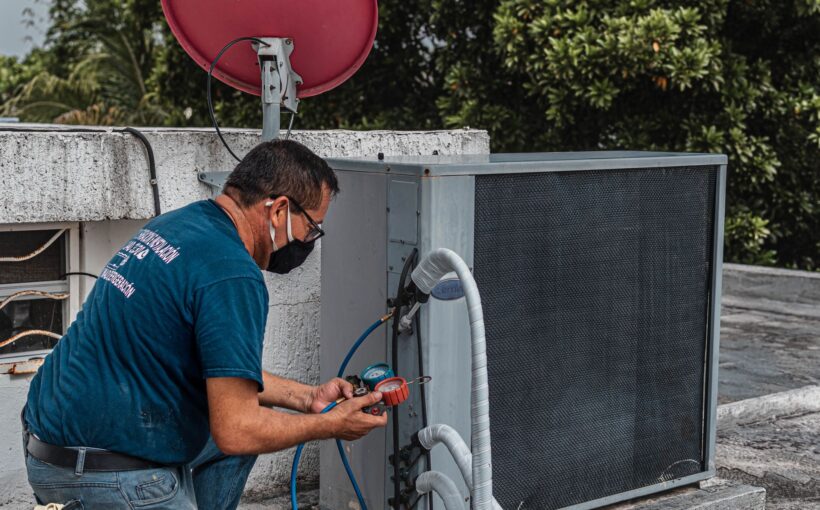
Major HVAC work is not something most homeowners schedule every day. Whether you are replacing an aging system, making a significant repair, or upgrading your home’s equipment, it is worth taking some time to understand what the project involves. Asking the right questions before work begins can help you understand your options, prepare your budget, and avoid surprises once the technician arrives.
What Problem Needs to Be Addressed?
Before scheduling major work, ask the contractor to clearly explain what is wrong with your current system. If a repair has been recommended, you should understand which component has failed and what caused the problem. For homeowners considering TexAire’s HVAC Repair services, having a clear explanation of the issue can make it easier to understand whether a repair is appropriate or whether replacement should be considered. A reputable HVAC professional should be willing to explain the problem in straightforward language rather than relying on complicated technical terms.
Is Repair or Replacement the Better Option?
Not every major HVAC problem automatically means you need a new system. The age of your equipment, repair history, operating condition, and expected remaining service life can all affect the decision. Ask your contractor whether repairing the existing equipment is practical and how long you might reasonably expect it to continue operating. If replacement is recommended, ask what specific factors make a new system a better long-term option.
What Will the Project Cost?
Before approving major HVAC work, request a detailed estimate. The price should give you a reasonable understanding of what you are paying for, including equipment, labor, necessary materials, and other project-related costs. It is also helpful to ask whether there could be additional charges if unexpected problems are discovered after work begins. Knowing this ahead of time can make it easier to plan your household budget.
What Equipment Is Being Recommended?
If you are replacing your HVAC system, ask exactly what equipment is being proposed and why it is suitable for your home. Different systems have different features, capacities, efficiency levels, and maintenance requirements. Rather than choosing equipment based solely on the initial price, discuss the expected operating costs, system capabilities, warranty coverage, and compatibility with your existing setup.
Are Permits or Inspections Required?
Depending on the type and location of the work, permits or inspections may be required. Ask your HVAC contractor whether the project involves any local requirements and who will be responsible for handling them. Taking care of these details before work begins can help prevent unnecessary delays and ensure the project is completed according to applicable requirements.
How Long Will the Work Take?
A major HVAC project can affect your daily routine, so ask about the expected timeline before scheduling the work. A straightforward replacement may take less time than a project involving ductwork changes, electrical modifications, or other improvements. Your contractor should be able to provide an estimated start and completion timeframe. You can also ask what circumstances could cause the project to take longer than expected.
What Warranty Comes With the Work?
Warranty coverage is another important question to ask before approving a major HVAC project. Equipment warranties and labor warranties may cover different things, so make sure you understand the distinction. Ask how long the coverage lasts, what it includes, and whether there are specific maintenance requirements that could affect the warranty. Keeping your paperwork after the project is complete can also make future claims easier.
What Maintenance Will the New System Need?
Major HVAC work does not necessarily mean you can forget about the system afterward. Ask your contractor what routine maintenance the equipment will need and how frequently professional service should be scheduled. Understanding these requirements from the beginning can help you protect your investment and keep the system operating properly over the years.
Major HVAC work is a significant home investment, so getting clear answers before scheduling the project can make the process much easier. Ask about the problem, repair versus replacement, costs, equipment, timing, warranties, and future maintenance. With the right information, you can approach the project with greater confidence and fewer surprises.…


